
No products in the cart.
Viraldes News
Bobby Bonilla Day Significance for New York Mets Fans
01
Jul
Jul
What is Bobby Bonilla Day?
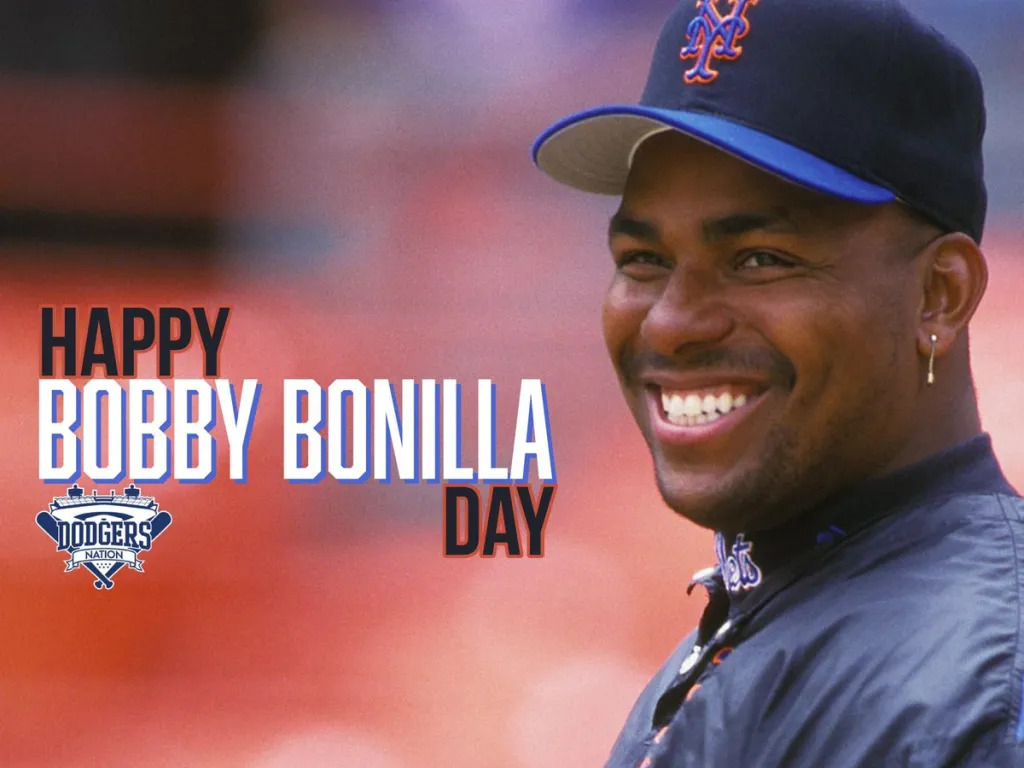
Each year on July 1st, New York Mets fans are reminded of an unconventional financial agreement that has become a widely discussed moment in the sports world: Bobby Bonilla Day. While the former Mets player is no longer active in baseball, his legacy continues every year, not through his on-field performance, but through an annual payment made to him by the team. This payment, which started in 2011, has captivated both sports enthusiasts and financial experts alike.
Bobby Bonilla’s Unusual Contract
To understand why Bobby Bonilla continues to receive payments from the Mets, it’s essential to take a step back in time to the year 2000. After the Mets released Bonilla following the 1999 season, they owed him nearly $6 million as part of the remaining balance on his contract. Instead of paying him the lump sum, the team struck a deal to defer the money and pay him $1.19 million each July 1st, starting in 2011 and running through 2035. The terms of this agreement also included an 8% annual interest rate, which makes the total amount Bonilla receives balloon to nearly $30 million.
Why Do Mets Pay Bonilla?
At the time of the deal, the Mets were banking on the idea that they could earn a higher return on investment through the deferment, particularly through their association with Bernie Madoff, a financier who promised substantial returns on investments. Unfortunately, after the Madoff Ponzi scheme came to light, the Mets found themselves still owing Bonilla millions. Despite the controversy surrounding the team’s financial dealings, Bonilla’s payments have become an odd yet iconic fixture in baseball history.
The Culture Behind Bobby Bonilla Day
While the payment agreement might sound strange, it has, over time, evolved into a cultural phenomenon. Every July 1st, the “Bobby Bonilla Day” hashtag trends on social media, with fans joking about the annual reminder of the deal and the unusual nature of the Mets’ decision. It has become a day of celebration for Bonilla, who receives his $1.19 million payment, and for Mets fans, who are either bemused or envious of the long-term financial strategy.
How Did Bobby Bonilla Become a Meme?
Over time, the “Bobby Bonilla Day” joke has found its way into popular culture. News outlets, sports media, and even financial websites discuss the day every year. The nature of the deal – paying a retired player millions of dollars over a period of decades – has turned into a talking point for anyone discussing the intersection of sports and finance. Bonilla, who wasn’t a superstar during his tenure with the Mets, has become a symbol of how long-term financial decisions can sometimes come with unintended but fascinating consequences.
The Financial Implications of Bobby Bonilla Day
Though the deal was born out of a desire to manage the Mets’ finances, it’s clear that the Bobby Bonilla contract has had far-reaching implications. On one hand, it showcases the importance of financial foresight in professional sports. While Bonilla’s agreement might seem strange, it highlights the complexities of team management, contracts, and long-term investment strategies.
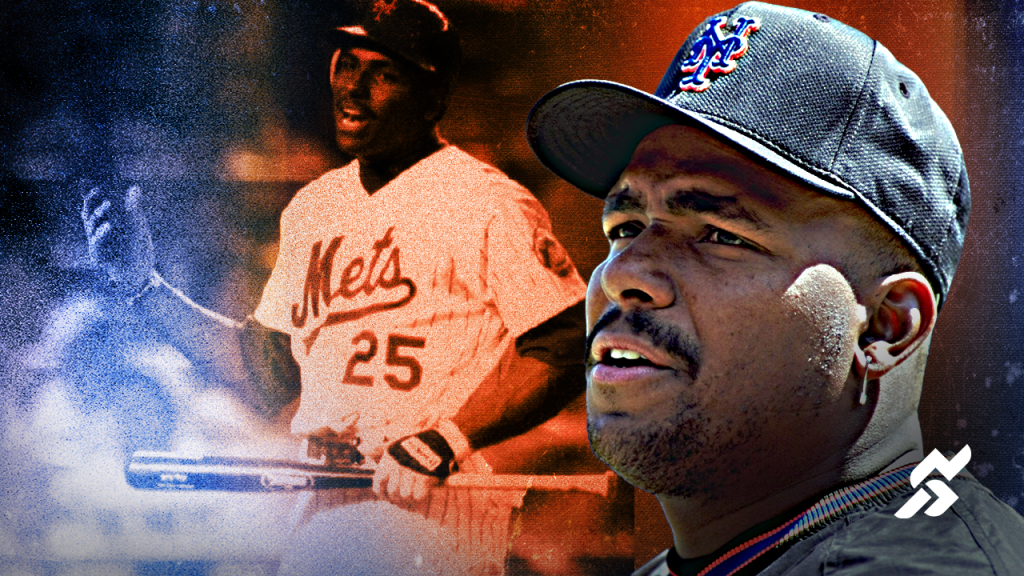
Moreover, this situation has spurred discussions about the ethics of such deferred contracts. Many argue that the Mets, in hindsight, could have handled the financial situation better. However, the annual spectacle of Bonilla receiving his payments provides a unique lens through which fans can explore the intricacies of sports finance.
Key Takeaways for New York Mets Fans
For Mets fans, July 1st has become a day to reflect not only on Bonilla’s long-term contract but also on the team’s evolution. While Bonilla was not a standout player for the Mets, his agreement symbolizes how unconventional financial moves can become part of a team’s identity. The Mets, once a powerhouse in Major League Baseball, now find themselves in a rebuilding phase, but the “Bobby Bonilla Day” phenomenon remains an ever-present reminder of their complex past.
How Does Bobby Bonilla Compare to Other Deferred Contracts in MLB?
Bobby Bonilla is not the only MLB player to sign a deferred payment contract, though his agreement is among the most famous. For instance, Ken Griffey Jr. is set to receive payments of $3.59 million each year until 2024, after his time with the Cincinnati Reds. Similarly, Manny Ramírez will continue to receive deferred payments from the Boston Red Sox until 2026. These types of contracts are more common in baseball than many might realize, but Bonilla’s deal stands out due to the sheer length and the high-profile nature of the payment schedule.
The Lasting Legacy of Bobby Bonilla Day
Even after his playing days ended, Bobby Bonilla continues to make headlines every July. His payments have made him one of the most talked-about baseball players in the world, despite not being involved in the game for over two decades. What’s clear is that Bonilla’s name is forever linked to this bizarre contractual arrangement, and his payments remain an iconic part of the sports financial landscape.
Final Thoughts on Bobby Bonilla Day and Its Cultural Impact
Bobby Bonilla Day is more than just a quirky footnote in sports history; it’s a reflection of how financial decisions, no matter how unconventional, can define an athlete’s legacy. For the Mets, it’s a constant reminder of the unexpected nature of long-term contracts. For fans, it’s a yearly spectacle that has turned into an annual event. Ultimately, Bobby Bonilla Day is a fascinating case study of how sports contracts evolve and how they can shape the conversation surrounding sports, finance, and culture.
You May Also Like: Detroit Red Wings Unveil Stunning 100-Year Logo That Honors a Legacy of Greatness